.svg "Connex Ecommerce Logo-white (1)")
CASE STUDY
Waboba
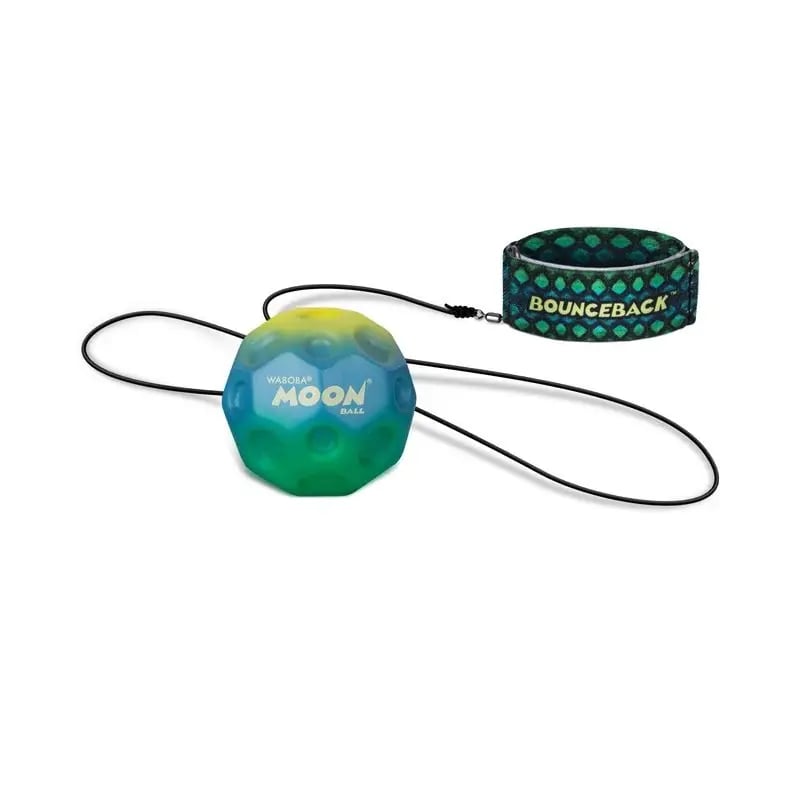
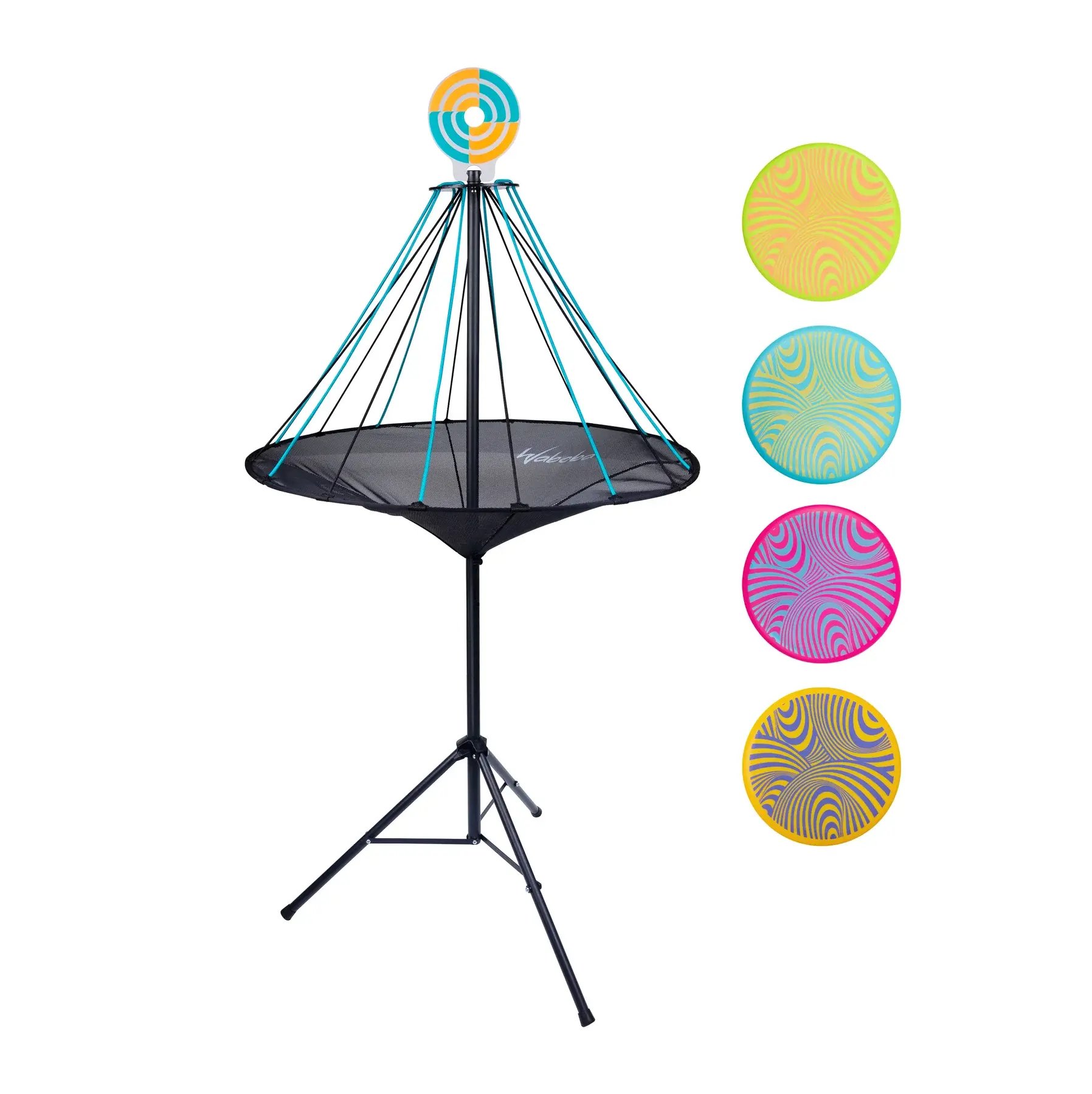
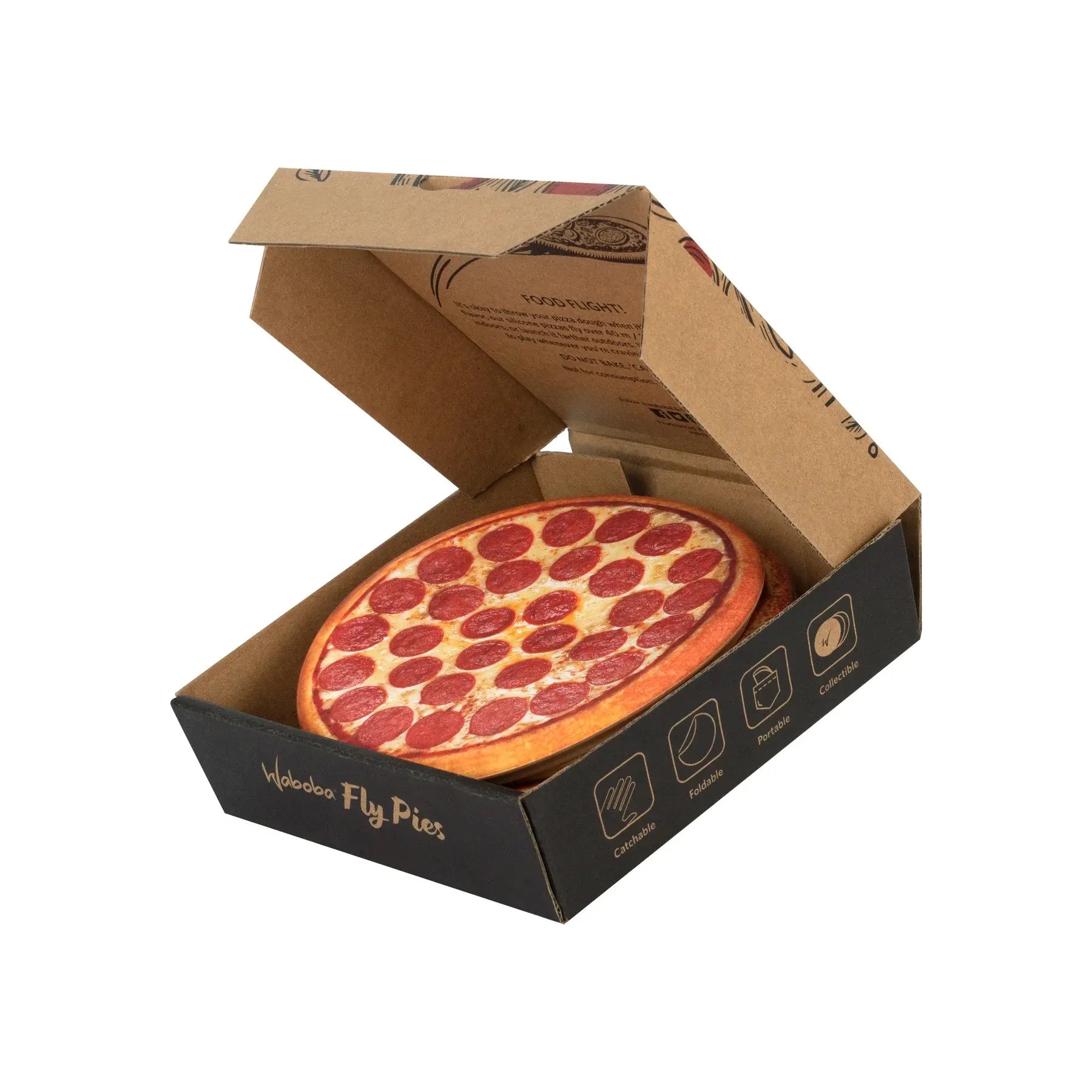
Waboba is a Swedish-born outdoor recreation brand, founded in 2005 as the creator of the ball that bounces on water. Today the company sells across retail partners worldwide and direct-to-consumer through its Shopify storefront, with a catalog spanning water toys, Moon Balls, flying discs, backyard games, and dog toys.
To manage its operations, Waboba runs Odoo SaaS as its central ERP, handling inventory, purchasing, and order management. Its Shopify storefront handles direct-to-consumer sales. Processing roughly 100 orders per day, Waboba needed both systems to stay in tight sync. Without that, matching sales to deposits and confirming every order had synced correctly became a daily manual burden.
Off-the-shelf plugins failed to deliver. Waboba encountered product mismatches between Odoo and Shopify, summary sale discrepancies, and no reliable way to confirm that all sales had synced before reconciling deposits. The team also needed a payout summary tool similar to what they had previously used with QuickBooks Enterprise, applied now to their Odoo environment. Standard integrations simply could not accommodate the complexity of how their business actually ran.

THE CHALLENGE
Waboba runs Odoo SaaS as its central ERP alongside a Shopify storefront for direct-to-consumer sales. At roughly 100 orders per day, keeping both systems in sync is not optional. Every unmatched order creates a reconciliation problem: sales that appear in Shopify but have not synced to Odoo mean deposits that cannot be matched, inventory counts that drift, and hours spent manually tracking down discrepancies.
The team tried off-the-shelf plugins first. They failed on the basics:
- Product mismatches between Odoo and Shopify caused orders to fail or sync incorrectly
- Summary sale data did not reconcile cleanly, making it impossible to confirm all sales had synced before matching deposits
- Payout reconciliation was a gap Waboba had previously solved with a summary payout tool in QuickBooks Enterprise, but had no equivalent solution after moving to Odoo SaaS
- Support was limited, leaving the team to troubleshoot complex sync failures on their own
As Waboba put it on the Shopify App Store: "We are at a transition point in the growth of our company." That transition demanded an integration built for real operational complexity, not a simplified use case.
THE SOLUTION
Waboba implemented Connex as the integration layer between Odoo SaaS and Shopify, replacing its patchwork of failing plugins with an automated, two-way data sync that adapted to how their business actually operates.
Rather than forcing Waboba to restructure its systems, Connex connected the tools already in place and configured the workflow around their specific data structure. The Connex team worked directly with Waboba over live screenshare to configure, map, and test the integration before going live.
What Connex Automated
- Two-way order sync between Shopify and Odoo SaaS, eliminating manual order entry and re-keying
- Product and SKU mapping to resolve the mismatches that had caused prior plugins to fail
- Summary payout tool brought over from the QuickBooks Enterprise workflow, now applied to Odoo, grouping transactions to simplify deposit matching and reconciliation
- Automated payout matching so Waboba's team can confirm all 100+ daily sales have synced before closing out deposits, without manual cross-checking
- Inventory sync between Odoo and Shopify to keep stock levels accurate on the storefront in real time
The Connex rules engine gave Waboba the flexibility to configure exactly how data flowed between systems, handling edge cases and non-standard workflows that off-the-shelf plugins simply dropped.

THE RESULTS
Connex eliminated manual data entry by automating two-way data sync between Odoo SaaS and Shopify. Orders, inventory, and payout data now flow automatically between the two platforms. Waboba's team can reconcile deposits with confidence, knowing every sale has synced and every payout is accounted for.
The Shopify App Store review Waboba left captures the broader value: "Connex was diligent in helping resolve our problems. We are at a transition point in the growth of our company and it's great to have this kind of support!"
The integration allowed Waboba to keep Odoo SaaS as its operational backbone and Shopify as its consumer storefront, without compromise on either system or a costly custom build to bridge them.
WHY CONNEX ECOMMERCE?
Connex gave Waboba what off-the-shelf plugins could not: a flexible, configurable sync between Odoo SaaS and Shopify that handled product mismatches, summary payouts, and deposit reconciliation at real operating volume.
For brands at a growth inflection point, the challenge is not finding an integration. It is finding one that holds up when your workflows get complex. Connex is built for exactly that scenario, with a rules engine designed for non-standard data structures, hands-on implementation support, and a summary payout tool that brings enterprise-grade reconciliation to Odoo SaaS users.
The result for Waboba: a fully automated, two-way connection between Odoo SaaS and Shopify that eliminated manual data entry, resolved product mismatches, and made deposit reconciliation reliable at 100+ orders per day.
Frequently Asked Questions
Does Connex work with Odoo SaaS?
Can Connex sync orders between Odoo SaaS and Shopify?
What happens when products or SKUs don't match between Odoo and Shopify?
Does Connex support summary payouts for Odoo SaaS?
How does Connex handle high order volumes?
Will we need a developer to manage the Connex integration?
Ready to simplify your ecommerce workflows?
See how Connex can connect your Odoo SaaS environment and Shopify storefront, automating data sync and giving your team the reconciliation tools to scale with confidence.